Understanding Colonial Home Renovation
Definition and Characteristics of Colonial Homes
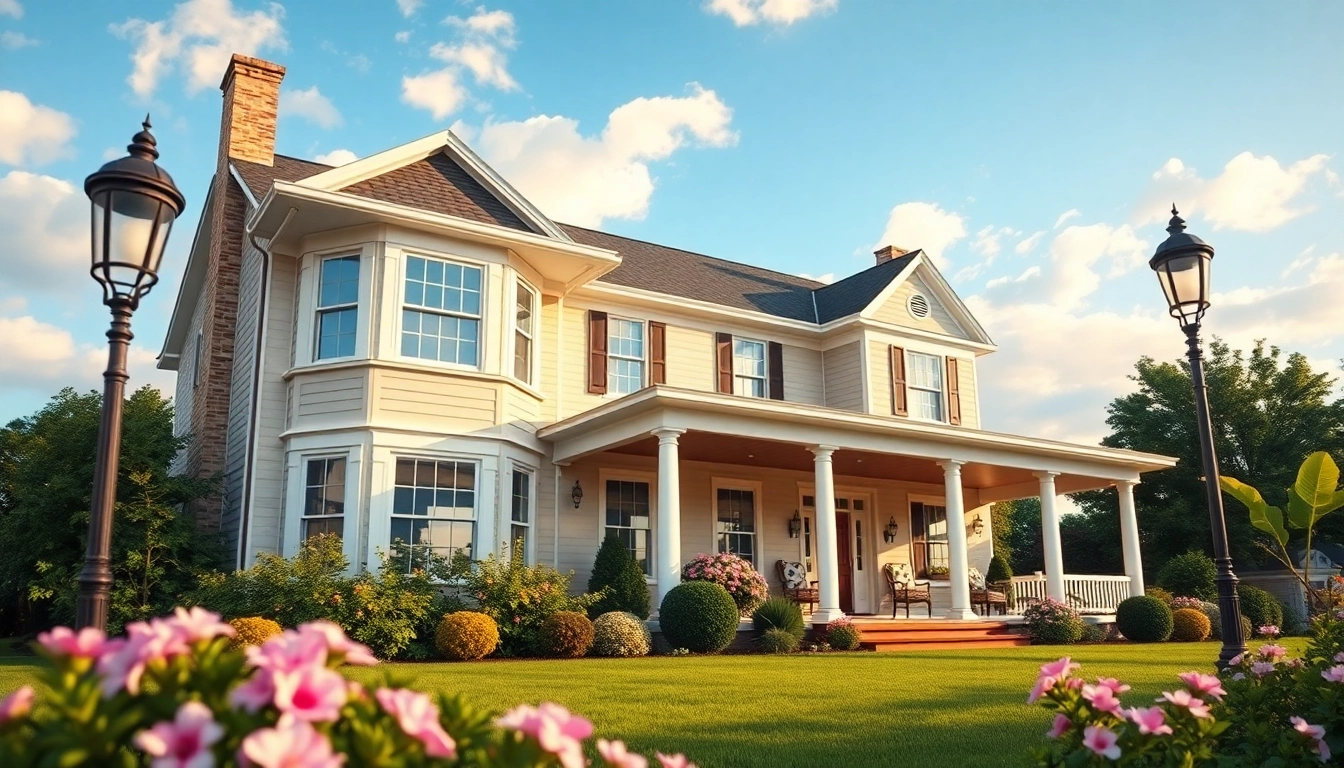
Colonial homes are a classic architectural style that evokes a sense of history and tradition. Originating in the earliest periods of American history, colonial homes are characterized by their symmetrical designs, central front doors, and evenly spaced windows. These homes often feature a variety of materials, including wood and brick, and typically showcase gabled roofs and decorative elements like shutters and pediments. One hallmark of colonial architecture is the use of detailed moldings and cornices, which enhance their visual appeal. Understanding these characteristics is essential when considering a colonial home renovation project.
Benefits of Renovating Colonial Architecture
Renovating a colonial home provides numerous benefits. Firstly, it allows homeowners to preserve the architectural integrity and historical significance of the structure, fostering community pride and cultural awareness. Renovations can also enhance property value, making it an attractive investment. Additionally, modern upgrades can improve energy efficiency, resulting in long-term savings on utility bills. By selecting sustainable materials and energy-efficient systems, homeowners can ensure that they maintain the colonial aesthetic while addressing contemporary needs.
Challenges in Colonial Home Renovation
While renovating a colonial home can be rewarding, it also comes with its fair share of challenges. One primary concern is the structural integrity of older homes, which may require substantial repairs. Moreover, there can be strict regulations surrounding renovations in historic districts, limiting the extent of modifications. Homeowners may also face difficulties in sourcing period-appropriate materials and fixtures, which can drive up costs and complicate project timelines. Understanding these challenges before embarking on a renovation is crucial for success.
Preparation for Colonial Home Renovation
Assessing Structural Integrity
The first step in preparing for a colonial home renovation is conducting a thorough assessment of the structure. This evaluation should include checking the foundation for cracks, inspecting the roof for leaks, and evaluating the condition of beams and framing. It’s often beneficial to consult a structural engineer to provide an expert opinion on potential weaknesses and necessary reinforcements. Identifying these issues early in the renovation process can save homeowners time, stress, and considerable expense down the line.
Budgeting for Your Renovation
Establishing a clear budget is essential for any renovation project, particularly for colonial homes. Homeowners should begin by obtaining estimates based on their assessment of required repairs and desired updates. It’s advisable to set aside an additional 10-20% of the budget to cover unforeseen expenses, which are common in older homes. By closely tracking expenditures and adhering to the budget, homeowners can avoid financial strain as their project progresses.
Choosing the Right Materials
When it comes to preserving the integrity of colonial architecture, selecting the right materials is vital. Homeowners should aim to use materials that are as close as possible to the originals while incorporating modern alternatives for durability and efficiency. For example, when replacing windows, consider wood or composite frames that replicate colonial styles but offer better insulation. Utilizing local suppliers can also help homeowners find suitable finishes and fixtures that fit within the traditional aesthetic.
Essential Renovation Techniques
Restoring Historical Features
Restoration of historical features is at the heart of any colonial home renovation. This process may include repairing or replacing original moldings, maintaining fireplace mantels, and restoring hardwood floors. Homeowners may also wish to uncover original paint colors or wallpaper patterns, often hidden beneath layers of modernization. Utilizing skilled craftsmen who specialize in historical restoration ensures that these features are preserved authentically, adding character and charm back to the home.
Modern Upgrades for Energy Efficiency
Incorporating modern energy-efficient upgrades is crucial for any colonial home renovation. Suggestions include installing energy-efficient windows, improving insulation in walls and attics, and updating heating and cooling systems to contemporary standards. Solar panels can also be discreetly integrated, offering renewable energy solutions without compromising aesthetic value. These upgrades not only improve comfort and lower energy bills but also contribute to the home’s sustainability goals.
Blending Old and New Design Elements
Successfully blending old and new design elements can elevate the overall aesthetic of a colonial home. Homeowners can achieve this through thoughtful interior design choices, such as using contemporary furniture or artwork that complements the historic backdrop. A popular approach is to contrast traditional architectural details with modern fixtures, such as sleek lighting and appliances, creating a harmonious balance between past and present. Maintaining this equilibrium ensures that each renovation enhances, rather than detracts from, the home’s story.
Design Inspirations for Colonial Home Renovation
Classic Interior Design Styles
When it comes to interior design in colonial homes, classic styles are typically favored. These might include Federal, Georgian, or Dutch Colonial styles, each offering unique design features that can be reimagined in renovations. Incorporating elements like wainscoting, crown molding, and spacious mantels can encapsulate the home’s historical essence, creating a warm and inviting atmosphere while respecting its past.
Color Schemes That Enhance Colonial Aesthetics
Choosing the right color scheme is crucial for enhancing the aesthetics of a colonial home. Traditional colonial colors include muted tones such as soft whites, deep blues, and rich greens. These colors not only evoke a sense of history but can also create a calming and cohesive palette. Accent colors like burgundy or ochre can be used sparingly for doors or shutters, adding character while preserving the traditional feel.
Landscaping Tips for Colonial Homes
Landscaping plays an essential role in the overall appeal of colonial homes. Homeowners should consider planting period-appropriate trees and shrubs that complement the home’s architecture, such as boxwoods or dogwoods. A well-maintained garden or walkway can enhance curb appeal, while outdoor features like stone fences or brick pathways evoke historical charm. These elements help to frame the home beautifully and blend the interior and exterior aesthetics.
Maintaining Your Renovated Colonial Home
Regular Maintenance Checklist
After a colonial home renovation, regular maintenance is crucial to ensure the home remains in optimal condition. A checklist should include inspecting the roof for damage, checking gutters for clogs, and sealing windows and doors to prevent drafts. Regularly scheduled maintenance of heating and cooling systems is equally important to ensure longevity and efficiency. Adhering to this checklist can safeguard the investment made during the renovation.
Seasonal Care for Exterior Features
Seasonal changes often require specific care for the exterior features of colonial homes. For example, before winter, it’s essential to ensure that chimneys are cleaned and gutters are clear to prevent ice damming. In spring, inspecting the landscape and making necessary adjustments to the garden will help maintain the home’s exterior beauty. These tasks, while time-consuming, are essential for preserving the allure and structural integrity of the home.
Preserving Historical Integrity During Upkeep
Maintaining the historical integrity of a colonial home during upkeep is a delicate balance. Homeowners should opt for traditional cleaning methods and be cautious with any renovations that impact the home’s character. When replacing worn-out features, choosing historically accurate materials and designs is imperative. This commitment to authenticity not only honors the home’s history but enriches the living experience within.
FAQs
What are the common features of colonial homes?
Colonial homes typically feature symmetrical designs, central front doors, evenly spaced windows, gabled roofs, and classic trims like shutters and moldings.
Why is it important to maintain historical features in colonial renovations?
Preserving historical features maintains the architectural integrity and cultural significance of the home while enhancing its value and appeal.
What modern upgrades should I consider for energy efficiency?
Consider installing energy-efficient windows, improving insulation, upgrading heating/cooling systems, and adding smart home technologies to optimize energy use.
How can I balance old and new design elements in my renovation?
Combine contemporary furniture and decor with traditional architectural details, ensuring that modern pieces complement rather than compete with historic elements.
What maintenance tasks should I prioritize for my colonial home?
Prioritize checking the roof, cleaning gutters, inspecting windows for drafts, and scheduling regular maintenance for heating and cooling systems.