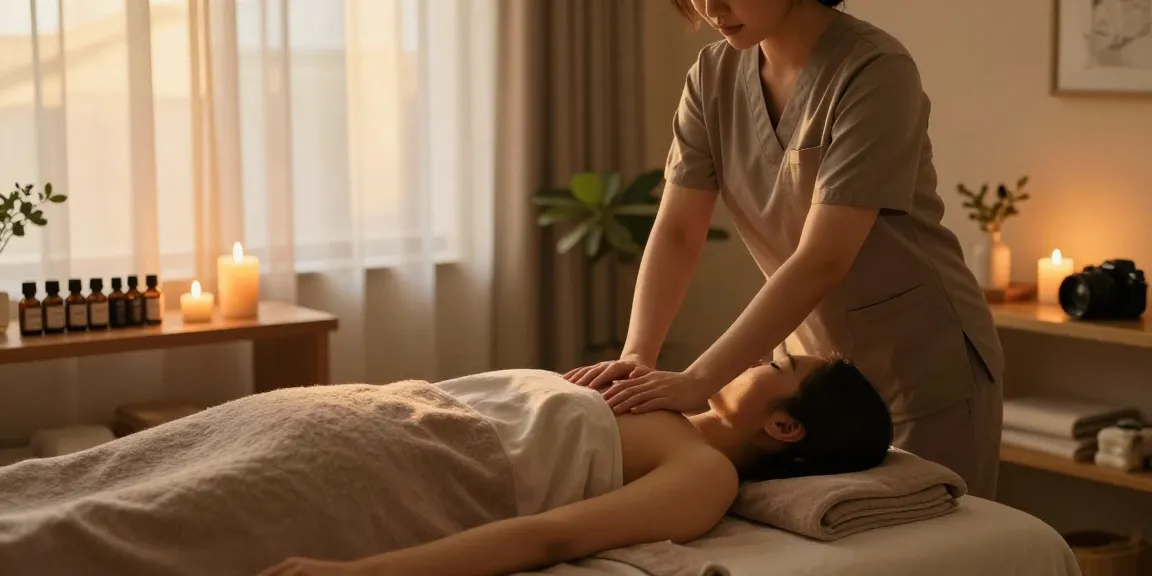
Understanding Hijama Therapy
Hijama, often referred to as cupping therapy, is an ancient healing practice that utilizes suction cups placed on the skin to promote blood circulation and facilitate healing on various levels. With roots traced back to ancient Chinese, Egyptian, and Greek civilizations, this holistic therapy has gained renewed interest in contemporary wellness spaces, especially within London’s diverse health landscape. As individuals increasingly seek alternative therapies for physical ailments and emotional balance, Hijama course London presents an opportunity for practitioners to deepen their understanding and enhance their therapeutic offerings.
What is Hijama and Its Historical Context?
Hijama, derived from the Arabic word ‘hajm’ meaning ‘to suck,’ involves creating a vacuum on the skin through suction cups. This practice is not merely a therapeutic method but a part of various cultures’ traditions. Historically, Hijama was recognized for its health benefits, serving as a treatment for ailments ranging from chronic pain to respiratory issues. In Islamic medicine, it is considered an important Sunnah, with Prophet Muhammad advocating its use, adding to its credibility among practitioners today.
Benefits of Hijama Therapy Explained
- Pain Relief: Many individuals report significant relief from chronic pain conditions, such as back pain, arthritis, and migraines after undergoing Hijama.
- Improved Circulation: The suction created by the cups enhances local blood flow and oxygen delivery to tissues, promoting healing.
- Detoxification: Cupping stimulates the lymphatic system, effectively facilitating the removal of toxins from the body.
- Stress Reduction: The deep tissue manipulation during Hijama not only alleviates physical discomfort but also aids in reducing mental stress and anxiety.
Common Misconceptions About Hijama
Despite its availability and effectiveness, misconceptions continue to cloud the perception of Hijama therapy. Many individuals mistakenly believe that Hijama is exclusively for pain management or is a dangerous practice. In reality, when performed by certified practitioners, Hijama is safe and can be adapted for various health needs. Additionally, some contend that it is merely a fad; however, its historical significance and ongoing success stories highlight its role in modern holistic healing.
Getting Started with Hijama Courses
Finding the Right Hijama Course London
Choosing the right Hijama course is crucial for anyone looking to become a professional practitioner. In London, numerous institutes offer an array of courses tailored to different levels of expertise. Factors to consider include the course curriculum, the qualifications of the instructors, and the reputation of the institution within the healing community. Engaging with practitioners through forums or social media can also provide insight into their experiences and recommendations.
Prerequisites for Enrolling in a Hijama Course
While open to anyone interested in holistic health, some courses may have prerequisites. Individuals with backgrounds in healthcare, such as nursing or physiotherapy, may find the courses easier to grasp. However, it is essential to verify each course’s requirements before enrollment, as certain programs may necessitate prior training in anatomy and physiology.
Cost and Duration of Hijama Courses
The price of Hijama courses in London can vary significantly. On average, prospective students can expect to pay between £300 to £800 depending on the depth of the course and the institution. Duration also varies; some foundational courses can be completed over a weekend, while more advanced programs may extend for several weeks, integrating theoretical and practical components.
Course Content and Curriculum Overview
What to Expect in a Hijama Course?
Most Hijama courses begin with an introduction to the history and theory behind the practice, followed by in-depth training on techniques and safety protocols. Students typically engage in a blend of lectures, demonstrations, and practical sessions, ensuring comprehensive learning. Participants can expect to cover essential topics such as body anatomy, the physiological effects of cupping, and post-treatment care.
Hands-On Training and Practical Experience
Practical experience is a cornerstone of effective Hijama training. Most courses will involve actual cupping sessions, supervised by experienced instructors. This hands-on approach not only enhances the learning experience but also ensures that practitioners can confidently offer treatments upon course completion.
Certification and Accreditation in Hijama
Certification is an important aspect of any professional course, especially in alternative therapies like Hijama. Students should seek programs accredited by reputable organizations, as this can impact their recognition in the field. Accreditation ensures that the course meets industry standards and that the practitioner is equipped with the necessary skills for safe practice.
Advanced Techniques and Applications
Innovative Techniques in Hijama for 2026
As the wellness industry evolves, so do Hijama techniques. Emerging practices for 2026 may incorporate elements of modern therapies such as microcurrent or LED technology, enhancing the cupping experience and outcomes. Practitioners should remain open to these innovations, integrating them into their practice as they become widely accepted.
Real-World Applications of Hijama in Practice
Hijama is not only beneficial for individual wellness but also for community health. In practice, many use Hijama to manage stress and promote overall wellbeing. It has also been integrated into the treatment of specific conditions, particularly within sports medicine, aiding athletes in recovery and performance enhancement.
Health and Safety Considerations
Like any form of therapy, safety is paramount in Hijama. Practitioners must adhere to strict hygiene protocols to prevent infections and ensure that they screen patients for any contraindications. Adequate training equips practitioners to identify and manage complications if they arise, further ensuring patient safety.
Future of Hijama Therapy in the Wellness Industry
Emerging Trends in Hijama Practices
As wellness continues to grow as a holistic approach to health, Hijama therapy is likely to gain broader acceptance alongside other complementary therapies. Trends such as personalized treatment plans and combining Hijama with nutritional counseling highlight an integrative approach that many practitioners might adopt.
Success Stories from Hijama Practitioners
Numerous success stories from Hijama practitioners reinforce the effectiveness of this therapy. From alleviating chronic pain to improving mental clarity and emotional balance, testimonials showcase diverse outcomes. Sharing these experiences not only inspires new practitioners but also fosters a supportive community for healing.
Networking Opportunities in the Hijama Community
Networking within the Hijama community is vital for expanding one’s knowledge base and developing professionally. Attending workshops, seminars, and conferences can provide practitioners with insights into the latest developments in the field and allow for collaboration with others in holistic health.
What Qualifications do Hijama Practitioners Need?
To become a recognized Hijama practitioner, individuals should complete an accredited course and attain certification. It is also beneficial to pursue ongoing education to stay updated with the evolving practices and techniques in Hijama therapy. Many practitioners also enhance their qualifications with complementary skills in massage therapy, physiotherapy, or nutrition.
How to Stay Updated on Hijama Developments?
Keeping abreast of developments in Hijama can be achieved through several avenues, including subscribing to industry newsletters, joining professional associations, and participating in online forums. Engaging with experienced practitioners and attending workshops can also provide continuous learning opportunities.