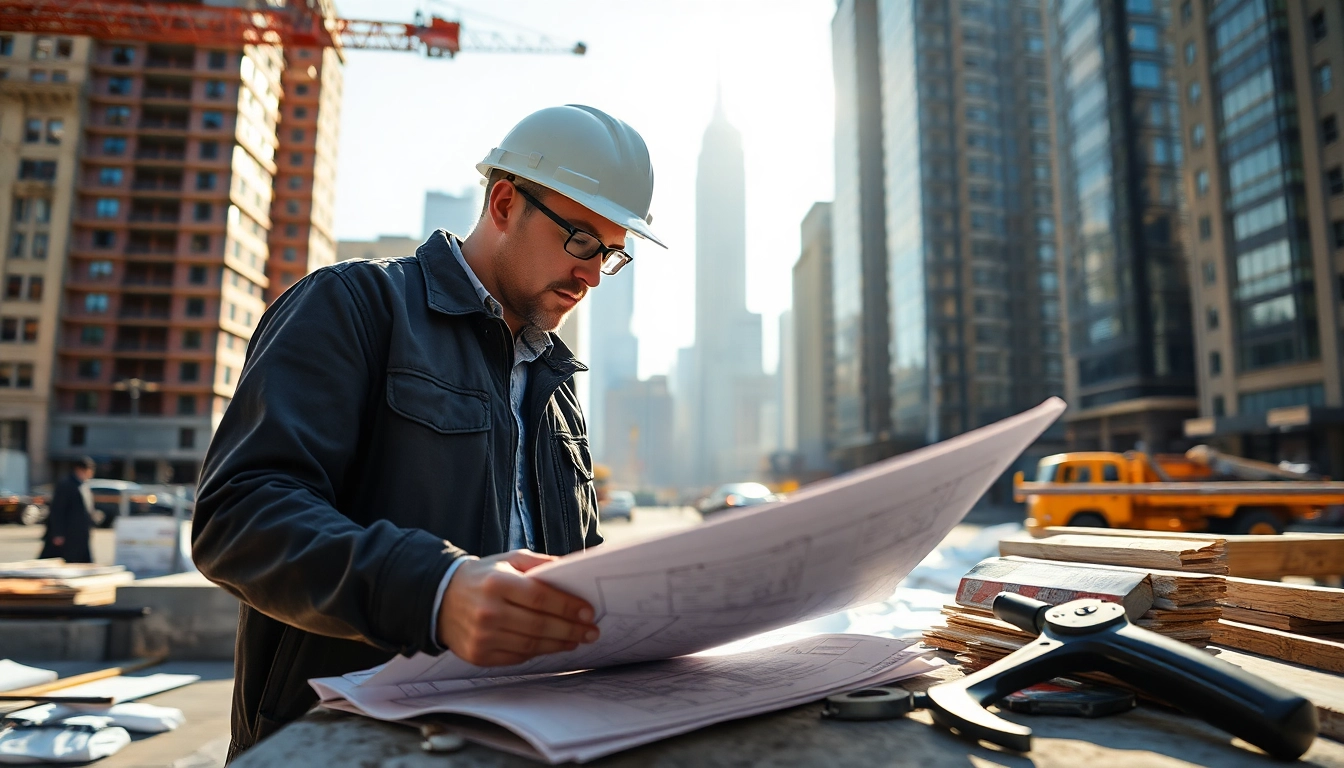
- Understanding the Role of a New York City General Contractor
- Key Qualities to Look for in a New York City General Contractor
- How to Evaluate Potential New York City General Contractors
- Common Challenges When Hiring a New York City General Contractor
- Tips for a Successful Partnership with Your New York City General Contractor
- Frequently Asked Questions (FAQs)
Understanding the Role of a New York City General Contractor
What Does a New York City General Contractor Do?
A New York City General Contractor is a pivotal figure in the construction and renovation process. Tasked with the overall coordination and management of construction projects, their roles span various functions that are critical to project success. Primarily, they oversee daily operations, ensuring that the project stays on schedule and within budget. This includes hiring subcontractors, procuring materials, scheduling inspections, and managing relationships with suppliers. Furthermore, the general contractor acts as a liaison between the clients and the construction team, maintaining clear communication and ensuring all parties are aligned with the project goals. An effective general contractor must possess a comprehensive understanding of construction practices, safety regulations, and project management techniques, adapting to the unique challenges posed by New York City’s dynamic construction environment. For those seeking to build or remodel in this vibrant metropolis, finding a competent New York City General Contractor is essential.
The Importance of Licensing and Insurance
Ensuring a smooth construction process in New York City heavily relies on the contractor’s compliance with legal and safety standards. Licensing is a non-negotiable aspect of this field; it demonstrates the contractor’s legal capability to operate and ensures adherence to local building codes and regulations. Each contractor must have the appropriate licenses from the New York Department of Consumer Affairs (DCA) and any specialized licenses depending on the project’s scope. In addition to proper licensing, comprehensive liability and workers’ compensation insurance are vital for protecting clients and workers alike. These insurances safeguard against potential accidents and damages during the construction process, providing peace of mind. Choosing a contractor without the necessary licenses and insurance can expose you to substantial risks, including legal liability and financial loss.
Typical Projects Managed by a New York City General Contractor
General contractors in New York City handle various projects ranging from residential renovations to extensive commercial constructions. Residential projects often include home improvements, additions, and new builds, where contractors guide homeowners through the modern intricacies of urban building codes. Commercial projects usually involve office spaces, retail establishments, or larger complex constructions, requiring meticulous planning to minimize disruption and comply with stringent regulations. By managing each phase—design, approvals, construction, and final inspection—general contractors ensure a seamless transition from concept to completion, tailoring approaches based on the project’s size, budget, and client expectations.
Key Qualities to Look for in a New York City General Contractor
Experience and Expertise
The construction environment in New York City is unique, influenced by specific regulations, zoning laws, and diverse architectural styles. Therefore, finding a general contractor with relevant experience and expertise is paramount. A contractor who has a proven track record with similar projects is more likely to navigate challenges effectively, ensuring that the project meets all deadlines and quality standards. This experience is often reflected through their portfolio, which showcases previous work, demonstrating their ability to manage complexities and deliver satisfactory outcomes.
Communication Skills and Responsiveness
Effective communication is a cornerstone of successful construction management. A contractor should possess strong interpersonal skills to foster collaboration among the team and maintain an open line of communication with clients. Responsiveness is equally important; a contractor’s ability to address issues and answer questions promptly can significantly impact the project’s progression. Consistent updates and transparent communication help preempt misunderstandings and foster trust, which can enhance the overall working relationship.
Client Reviews and Recommendations
Before selecting a general contractor, evaluating client reviews and seeking recommendations is crucial. Engaging with previous clients can provide insights into the contractor’s reliability, workmanship, and overall service quality. Online platforms and social media can offer reviews, while word-of-mouth referrals can highlight contractors who prioritize customer satisfaction. A contractor with a robust reputation in the community is more likely to deliver a successful project, firmly adhering to timelines and budgets.
How to Evaluate Potential New York City General Contractors
Requesting and Comparing Quotes
When evaluating potential contractors, it’s essential to request detailed quotes that outline the scope of work, materials, labor costs, and timelines. Comparing these quotes side by side can reveal discrepancies and help you identify which contractor offers the best value for your specific needs. Make sure to assess not only the overall cost but also the reliability of each contractor in delivering quality and consistency. The lowest bid may not always equate to the best choice if it indicates corners being cut in terms of quality or safety.
Checking References and Past Work
Validating a contractor’s claims through references and previous projects is crucial. Contacting past clients can provide firsthand feedback on their experiences, detailing the strengths and weaknesses of the contractor. Additionally, visiting completed projects—if possible—can showcase the contractor’s workmanship and attention to detail, allowing you to gauge the quality of their projects and ensure it aligns with your expectations.
Understanding Contract Details and Terms
Before signing any contract, it’s crucial to thoroughly understand all details and terms included. A well-drafted contract should outline project expectations, timelines, payment schedules, and procedures for handling disputes or changes. Pay special attention to clauses regarding delays, penalties, and warranties, which can offer protection should unexpected situations arise. Consulting with a legal professional may also be advisable to ensure your rights are protected.
Common Challenges When Hiring a New York City General Contractor
Dealing with Permits and Regulations
Construction in New York City often involves complex regulations and extensive permitting processes that can perplex even seasoned professionals. General contractors must navigate these regulations skillfully, ensuring that all necessary permits are obtained before commencing work. This aspect requires thorough knowledge of zoning laws, environmental regulations, and building codes. Engaging a contractor with experience in managing permits can save clients substantial time and potential legal troubles.
Budgeting for Unexpected Costs
Construction projects frequently encounter unforeseen costs, whether due to hidden structural issues or supply chain disruptions. A seasoned New York City general contractor should anticipate such scenarios and proactively plan for contingencies. It’s vital to establish a clear budget, including a buffer for unexpected expenses, to avoid project delays or financial strain. Communication regarding these financial matters is crucial as well, ensuring that you are always informed about any potential budget adjustments.
Managing Timelines and Schedules
Timelines can often be challenging to adhere to due to the unpredictable nature of construction work. Weather delays, subcontractor availability, and supply chain issues can all push project completion dates back. A reputable general contractor should maintain a flexible yet structured approach, embracing open dialogue with clients to manage expectations regarding timelines effectively. Utilizing project management software or tools can enhance scheduling accuracy and help keep all parties informed of progress and any real-time adjustments that may be necessary.
Tips for a Successful Partnership with Your New York City General Contractor
Setting Clear Expectations
From the outset, clearly defining expectations is fundamental to preventing misunderstandings. Take the time to articulate your vision for the project, discussing deadlines, budget constraints, and design preferences with your contractor. Establishing a mutual understanding ensures all parties are aligned and minimizes the risk of conflict later in the project’s timeline.
Regular Check-Ins and Updates
Maintaining open lines of communication throughout the construction process is essential. Regular meetings or check-ins with your contractor can facilitate updates on progress, discuss any concerns, and adjust plans as necessary. This proactive approach helps nurture a collaborative atmosphere, fostering stronger relationships between the client and the contractor.
Encouraging Collaboration and Team Spirit
Promoting a collaborative environment can significantly impact project success. Encouraging team spirit between your contractor and subcontractors fosters a sense of unity and shared purpose. Celebrating milestones together and acknowledging hard work can cultivate a motivated team, leading to enhanced productivity and overall project satisfaction.
Frequently Asked Questions (FAQs)
What should I look for in a general contractor?
Look for experience, proper licensing, communication skills, and strong client reviews. Evaluate their past work and ensure they understand your project requirements.
How long does it take to complete a construction project?
Completion times vary based on project scope, complexity, and contractor efficiency. A solid timeline estimate should be discussed with your general contractor prior to starting.
How can I manage project costs effectively?
Set a clear budget that includes a contingency fund for unexpected expenses. Regularly communicate with your contractor about costs and any changes that arise.
Do I need to be involved during construction?
Your involvement level can vary based on comfort, but regular check-ins to stay updated and ensure everyone is aligned on project goals are essential.
What should I do if my project doesn’t go as planned?
If issues arise, communicate promptly with your contractor to address concerns. Reviewing contract clauses can offer insights on managing disputes and adjustments.