
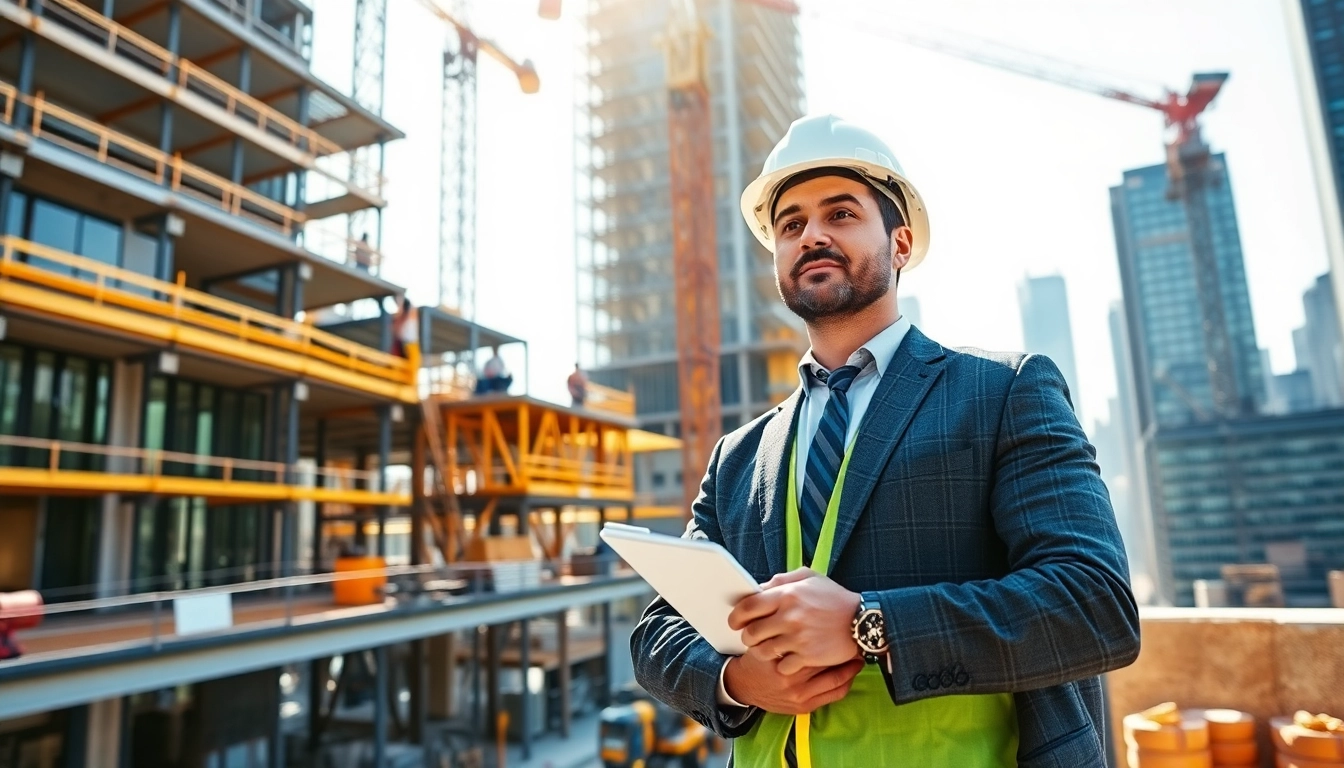
- Understanding the Role of a Manhattan Construction Manager
- Challenges Faced by Manhattan Construction Managers
- Best Practices for Manhattan Construction Managers
- Real-Life Examples of Successful Manhattan Construction Management
- Future Trends for Manhattan Construction Managers
- FAQs about Manhattan Construction Managers
Understanding the Role of a Manhattan Construction Manager
Definition and Responsibilities
The role of a Manhattan Construction Manager is pivotal in the urban development landscape of Manhattan. These professionals are responsible for overseeing construction projects from inception to completion, ensuring that each element—from budget management to compliance with regulations—aligns with the project’s objectives. A construction manager in Manhattan acts as a critical liaison among various stakeholders, including architects, engineers, subcontractors, and clients, harmonizing efforts to bring complex projects to life. Their responsibilities extend to scheduling work, managing resources, enforcing safety protocols, and adhering to the local building codes and regulations, ensuring that the project meets the specifications outlined in the plans.
Key Skills Required
To effectively perform their duties, a Manhattan Construction Manager must possess a diverse skill set that encompasses both technical and soft skills. Critical competencies include:
- Project Management: They must manage multiple aspects of construction simultaneously, requiring robust organizational skills and attention to detail.
- Communication: Effective interaction with diverse stakeholders is essential, from delivering instructions to negotiating terms.
- Technical Knowledge: A deep understanding of construction materials, methods, building codes, and safety standards is crucial.
- Financial Acumen: They should have strong budgeting skills to manage costs efficiently and ensure financial resources are optimally allocated.
- Problem-Solving: The ability to quickly identify and resolve conflicts and challenges is paramount in the fast-paced construction environment.
Importance in Construction Projects
The importance of a Manhattan Construction Manager cannot be overstated. They are the backbone of any construction project, ensuring that it is completed on time, within budget, and to the agreed quality standards. By bridging various disciplines and fostering collaboration, they mitigate risks and enhance project efficiency. This role is critical, especially in densely populated urban areas like Manhattan, where logistical challenges such as limited space and strict regulations are a constant factor. Their oversight not only streamlines processes but also safeguards the interests of all parties involved, ultimately leading to successful project outcomes.
Challenges Faced by Manhattan Construction Managers
Managing Budgets and Timelines
One of the most significant challenges faced by Manhattan Construction Managers is maintaining strict budgetary control while adhering to timelines. With fluctuating costs of materials and labor, developing an accurate budget can be particularly challenging. On top of this, unforeseen delays—for instance, due to weather, labor strikes, or supply chain disruptions—can push timelines back significantly. Construction managers must employ diligent financial planning, detailed scheduling, and risk management strategies to anticipate potential problems and mitigate their impact.
Safety Regulations and Compliance
Manhattan’s construction environment is heavily regulated, necessitating meticulous attention to safety protocols. Construction managers must ensure compliance with local laws, OSHA regulations, and specific industry standards. This involves not only training workers and enforcing safety standards but also conducting ongoing audits and inspections to ensure that practices align with necessary codes and regulations. Non-compliance can lead to costly fines and, more importantly, jeopardize worker safety.
Environmental Considerations
In recent years, the construction industry has seen an increased focus on sustainability. Manhattan Construction Managers are tasked with implementing environmentally friendly practices amidst urban development. This includes utilizing sustainable materials, minimizing waste, and managing resources efficiently. Navigating the complexities of environmental regulations and community impacts of construction projects can be daunting yet crucial. Consequently, staying well-informed about local environmental policies and integrating sustainability into project planning is essential.
Best Practices for Manhattan Construction Managers
Effective Communication Strategies
Clear and effective communication is key to successful construction management. Establishing a communication protocol that includes regular meetings, project updates, and open channels for feedback helps all stakeholders stay informed. Utilizing project management software can enhance collaboration and transparency, allowing team members to access real-time data and status updates, effectively minimizing misunderstandings and fostering a cooperative environment.
Utilizing Technology in Management
The integration of technology into construction management processes is becoming increasingly essential. Tools such as Building Information Modeling (BIM), project management software, and cloud-based solutions improve efficiency and accountability by providing detailed project overviews and facilitating resource management. Adopting innovative technologies like drone surveying and virtual reality can also provide enhanced visualization and facilitate better decision-making. Embracing these technologies helps managers stay competitive and keep projects on track.
Building Strong Teams
A successful project hinges on the strength of its team. Recruiting skilled professionals and nurturing strong relationships among stakeholders are essential strategies. Construction Managers should foster an inclusive environment where collaboration is encouraged and challenges can be openly discussed. Regular team-building activities and training sessions can strengthen relationships and increase team cohesion, ultimately resulting in a more efficient and effective team dynamic.
Real-Life Examples of Successful Manhattan Construction Management
High-Rise Projects
Manhattan is renowned for its iconic skyline, marked by impressive high-rise buildings. Successful management of these major projects often underscores the importance of meticulous planning, skilled labor, and innovative construction techniques. High-rise projects come with unique challenges such as limited physical workspace and high public visibility. Effective Manhattan Construction Managers use advanced planning and communication tools to navigate these complexities, ensuring that projects are completed successfully and safely.
Public Infrastructure Developments
Construction Managers also play a vital role in public infrastructure projects, such as bridges and transit systems. These large-scale initiatives impact the daily lives of thousands and require careful coordination with government entities and adherence to public safety standards. A successful Manhattan Construction Manager navigates these challenges through proactive stakeholder engagement, transparent communication, and integrated risk management strategies.
Innovative Design Implementations
With the rise of modern architectural trends, Manhattan Construction Managers must remain adaptive to innovative design methods. Projects that incorporate cutting-edge designs often require creative problem-solving and flexibility during the construction process. Integrating designers’ visions while adhering to budget and timeline constraints is a responsible duty of the construction manager, ensuring that innovative projects can come to fruition successfully.
Future Trends for Manhattan Construction Managers
Sustainable Building Practices
Looking toward the future, sustainable building practices will increasingly become a standard rather than an exception in Manhattan’s construction projects. As environmental concerns gain traction, Construction Managers will need to stay informed about green building certifications and sustainable materials. This transition will not only address environmental impacts but also fulfill evolving regulatory requirements and societal expectations for sustainability in urban development.
Impact of Technology on Construction
The continued evolution of technology promises to revolutionize construction management practices. Advancements in artificial intelligence, machine learning, and robotics can automate routine tasks and enhance efficiency, enabling construction managers to focus on strategy. Staying ahead of technological trends will be essential for construction managers who seek to optimize resource management and project execution.
Urban Development Challenges Ahead
As urbanization continues, Manhattan will face significant challenges concerning building density, infrastructure strain, and housing shortages. Manhattan Construction Managers must actively engage in sustainable urban planning to navigate city growth responsibly. Collaborating with urban planners and community leaders will be vital for overcoming these challenges while promoting effective development strategies that resonate with Manhattan’s unique urban character.
FAQs about Manhattan Construction Managers
What qualifications are needed to become a Manhattan Construction Manager?
Typically, a degree in construction management, civil engineering, or a related field is required, along with experience in project management and construction processes.
How do Manhattan Construction Managers handle safety on job sites?
They ensure compliance with safety regulations, conduct regular safety training, and implement safety protocols to protect workers on-site.
What role does budgeting play in construction management?
Budgeting is crucial as it helps manage costs, allocate resources effectively, and minimize financial risks throughout the project’s lifecycle.
How can technology improve construction management?
Technology enhances efficiency through project management software, real-time data sharing, and tools like BIM that aid in visualization and planning.
What are common challenges faced by construction managers?
Common challenges include managing budgets, ensuring compliance with safety regulations, and addressing environmental impacts within urban settings.
