Understanding Lvp Floors
What Are Lvp Floors?
Luxury Vinyl Plank (LVP) floors are an innovative flooring solution designed to replicate the appearance of natural materials like hardwood or stone while providing exceptional durability and comfort. Made from layers of PVC, LVP floors consist of a backing layer, a printed design layer that mimics wood or stone, a core layer for stability, and a transparent wear layer that protects the surface from scratches and stains. This combination allows LVP floors to be suitable for a variety of settings, both residential and commercial.
Benefits of Lvp Floors
Investing in lvp floors presents numerous advantages:
- Durability: LVP floors are engineered to withstand high traffic, resist scratches, and repel moisture, making them ideal for busy households or commercial environments.
- Easy Installation: With various installation methods available, including click-lock and glue-down options, LVP can often be installed without professional help.
- Comfort: Unlike tiles or hardwood, LVP floors provide a softer feel underfoot, making them more comfortable to stand or walk on.
- Design Versatility: Available in a wide range of colors, textures, and patterns, LVP can seamlessly fit into any décor style.
- Water Resistance: LVP’s moisture resistance makes it a suitable choice for kitchens, bathrooms, and basements.
Common Uses for Lvp Floors
LVP floors are widely used across various spaces due to their adaptability:
- Residential Areas: Living rooms, kitchens, bedrooms, and bathrooms.
- Commercial Spaces: Retail environments, office buildings, restaurants, and hotels.
- Healthcare Facilities: Hospitals and clinics benefit from LVP’s hygienic properties and ease of maintenance.
Choosing the Right Lvp Floors
Factors to Consider
When selecting the best LVP floors, consider the following key factors:
- Thickness: A thicker LVP typically means greater durability and comfort. Most options range between 4 mm to 8 mm.
- Wear Layer: A wear layer between 12 mil to 30 mil offers enhanced protection. High-traffic areas may require thicker layers.
- Style and Texture: Evaluate the aesthetics—choose styles that fit your home or business’s ambiance and functionality.
- Installation Method: Consider your DIY skills and whether you want a glue-down, loose lay, or click-lock installation.
Popular Styles and Designs
The market offers a vast array of styles, catering to diverse tastes:
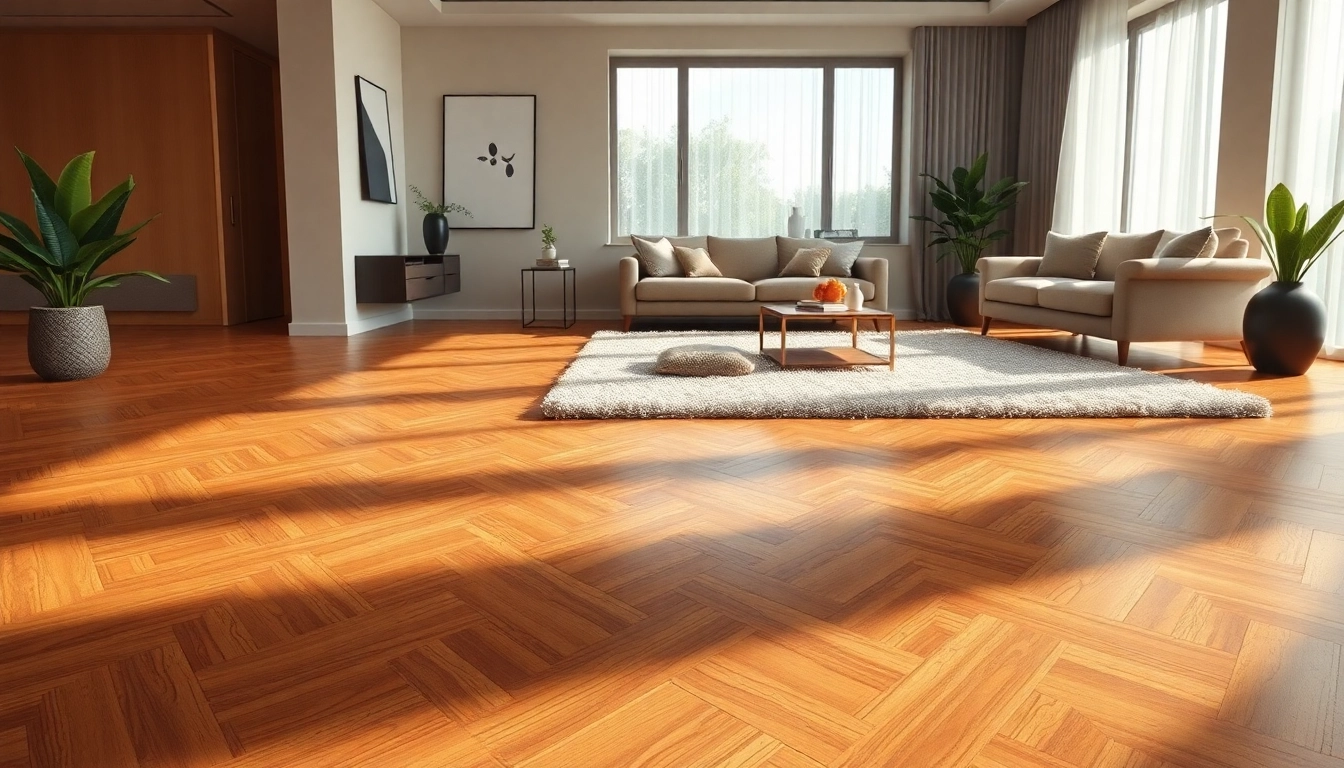
- Wood Look: Mimicking oak, maple, or walnut, wood-look LVP brings warmth to spaces.
- Stone Look: Replicating slate or marble, these designs can add an elegant touch to any room.
- Patterned Options: Geometric patterns or distressed finishes can create a unique aesthetic for more modern designs.
Comparing Installation Methods
The choice of installation method can significantly affect the overall outcome and experience. Here are the main options:
- Click-Lock Installation: Easiest for DIY projects, requiring minimal tools. Planks snap together, allowing for quick adjustments.
- Glue-Down Installation: Best suited for high-traffic areas as it offers a stable finish, though it is more labor-intensive.
- Loose Lay Installation: Ideal for temporary applications or if you want to avoid adhesives. The weight of the planks keeps them in place.
Maintaining Lvp Floors
Daily Care Tips
Proper daily care is essential to prolong the lifespan of your LVP floors:
- Regular sweeping or vacuuming to remove dirt and debris.
- Using a damp mop with a pH-balanced cleaner specifically designed for vinyl flooring.
- Avoiding harsh chemicals or abrasive tools that could damage the surface.
Deep Cleaning Techniques
In addition to daily maintenance, deep cleaning should be part of your routine:
- Puzzle Approach: Break down the cleaning process into sections, ensuring you tackle the entire area effectively.
- Steam Cleaning: Although LVP is water-resistant, ensure to check manufacturer guidelines before steam cleaning.
- Spot-cleaning: Use a soft cloth to address specific stains and spills immediately to prevent lasting damage.
Protecting Your Lvp Floors
Protecting your investment helps maintain its beauty and longevity:
- Place entry mats to capture dirt and moisture before it reaches your floors.
- Use felt pads under furniture legs to avoid scratches.
- Avoid wearing shoes with hard soles on your LVP floors to reduce wear and tear.
Cost Considerations for Lvp Floors
Budgeting for Your Project
Understanding costs upfront can facilitate smoother budgeting:
- Determine the size of the area to be covered to calculate material costs effectively.
- Consider both the average costs of the planks and any underlayment required for installation.
- Budget for potential professional installation costs if necessary.
Understanding Installation Costs
Installation costs may vary based on several factors:
- Your geographic location and market demand significantly influence labor costs.
- Complex layouts may require additional time and skills, thus increasing installations costs.
- Additional accessories like underlayment and baseboards also contribute to the total price.
Long-Term Value of Lvp Floors
LVP floors offer impressive long-term value due to their durability and ease of maintenance:
- With proper maintenance, LVP can last between 10 to 30 years, providing substantial return on investment.
- The ease of cleaning and resistance to damage saves money on repairs and replacement.
- Energy efficiency is enhanced via insulation, leading to savings on heating and cooling costs over time.
FAQs about Lvp Floors
How Durable Are Lvp Floors?
LVP floors are highly durable, designed to withstand heavy foot traffic and resist scratches, moisture, and stains, making them suitable for various environments.
Can Lvp Floors Be Installed Over Existing Flooring?
Yes, LVP floors can often be installed over existing flooring, provided the surface is level, dry, and clean, promoting an efficient installation process.
Are Lvp Floors Waterproof?
While LVP floors are water-resistant, they are not entirely waterproof. Prolonged exposure to water may cause damage, so it’s best to wipe spills promptly.
What Maintenance Is Required for Lvp Floors?
Routine maintenance includes sweeping, damp mopping, and occasional deep cleaning, along with protecting the surface from scratches and dents.
Can I Use Lvp Floors in All Rooms?
Yes, LVP floors are versatile and can be utilized in most rooms, including kitchens, bathrooms, and basements, due to their moisture resistance and durability.