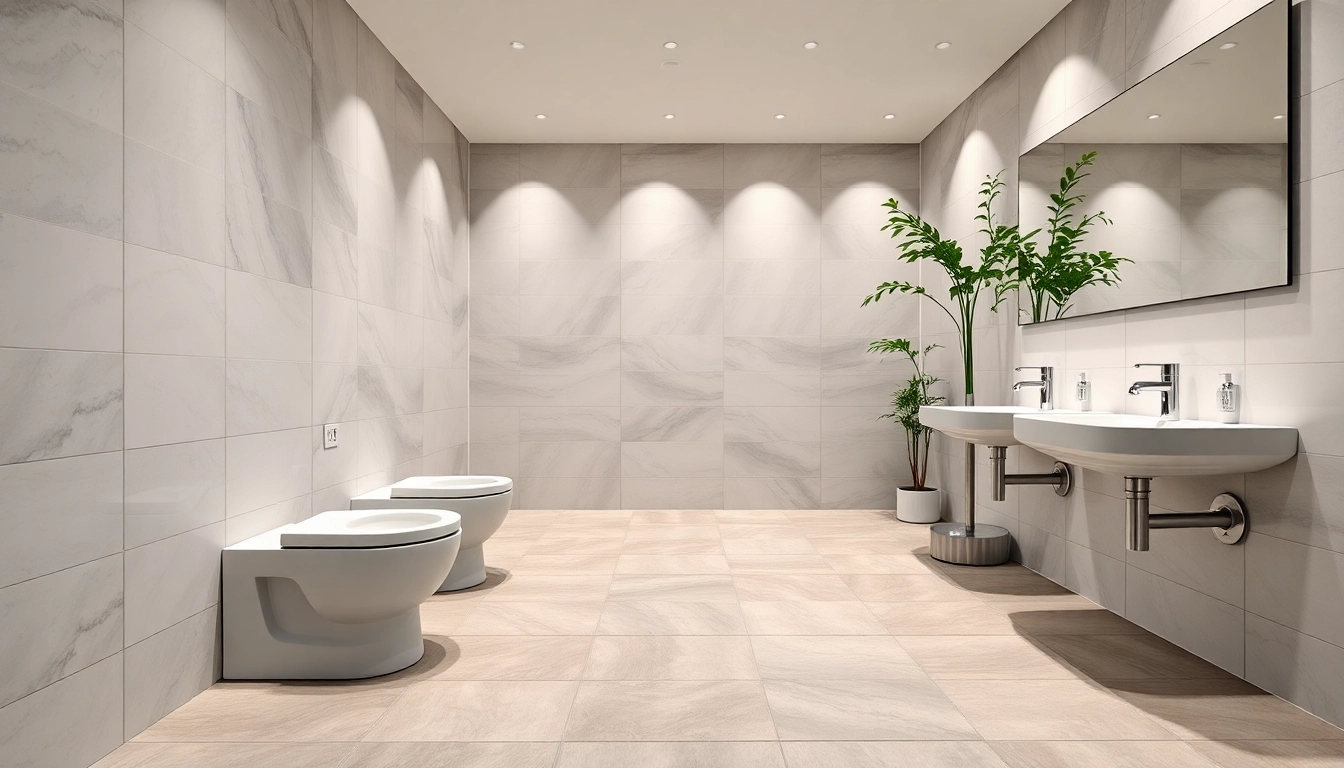
Understanding Commercial Washroom Refurbishment
Commercial washroom refurbishment is an essential investment for businesses aiming to enhance their facilities’ functionality, aesthetics, and hygiene. These spaces play a significant role in shaping the impression clients and employees have of your business. With the right refurbishment, you can create a washroom that not only meets the needs of its users but also boosts the overall value of your commercial property. By integrating modern designs and effective layouts, the process can lead to increased satisfaction and productivity. To navigate the challenges of refurbishment effectively, consider the comprehensive approach outlined in this article, including an emphasis on the importance of understanding the current conditions of your washroom facilities. For professional guidance, focusing on actual commercial washroom refurbishment approaches will yield the best results.
Importance of Modern Facilities
Modern facilities are critical for attracting and retaining clientele in today’s competitive market. A well-refurbished washroom can positively influence customer perceptions, enhance employee morale, and contribute to overall workplace health. Businesses that prioritize modern facilities often find increased foot traffic and higher levels of customer satisfaction.
Design Trends in Commercial Washrooms
The aesthetics of commercial washrooms have evolved considerably. Contemporary design trends now favor simplicity, functionality, and eco-friendliness. Clean lines, efficient space utilization, and thoughtful fixture selections are crucial. Use of sustainable materials, elegant finishes, and neutral color palettes can create an inviting atmosphere that reflects your brand identity while meeting functionality necessities.
Assessment of Existing Washroom Conditions
Before embarking on a refurbishment project, a thorough assessment of the existing conditions is vital. This involves evaluating factors such as plumbing integrity, fixture functionality, and overall cleanliness. Identifying issues early can help prioritize needs and allocate resources effectively to ensure a successful refurbishment.
Key Elements of Effective Refurbishment
Choosing Quality Fixtures and Materials
Investing in high-quality fixtures and materials is non-negotiable in any refurbishment project. Durable and visually appealing options can withstand heavy usage while maintaining aesthetic appeal. Selecting renowned brands and checking warranties as well as customer reviews can guide you toward making the best choices for longevity and functionality.
Creating Functional Layouts
A well-thought-out layout is fundamental to a successful washroom refurbishment. Spaces should be designed for ease of use, accessibility, and comfort. Consideration must be given to the flow of traffic, ensuring sufficient space for movement and functionality. Key elements like toilet partitions, hand dryer placement, and sink accessibility need to be optimized for efficiency.
Integrating Eco-Friendly Solutions
Eco-friendly solutions are becoming increasingly important in commercial washroom refurbishment. Options like low-flow toilets, energy-efficient lighting, and durable materials not only reduce environmental impact but can also lower operational costs considerably. Ensuring compliance with sustainability standards can also enhance your brand’s reputation.
Budgeting for Your Refurbishment Project
Estimating Costs and Resources
Accurate budgeting is crucial for any refurbishment project. Begin by drafting a comprehensive list of all necessary materials, labor costs, and any additional services required. Seeking multiple quotes can help you gauge the overall cost while ensuring you have allocated sufficient resources for unforeseen expenses.
Financing Options for Refurbishments
There are several financing options available for those undertaking a washroom refurbishment. Businesses may opt for traditional loans, grants, or leasing options. Understanding your financial situation and researching best practices for funding can make the project more manageable without financial strain.
Budgeting for Maintenance and Upkeep
It’s important to consider ongoing maintenance costs when budgeting for a refurbishment. Proper maintenance not only preserves the aesthetic appeal of your washroom but also extends the life of fixtures and materials. Setting aside a small percentage of your refurbishment budget for future maintenance can prove beneficial in the long run.
Project Management and Execution
Hiring the Right Contractors
The selection of contractors is a critical phase of the refurbishment process. Look for professionals with proven experience in commercial refurbishment projects. Request and verify references, assess their previous work, and ensure they are licensed and insured. Trust and clear communication with your contractor can pave the way for a smoother project execution.
Project Timelines and Scheduling
Developing a detailed timeline is essential to keep your refurbishment project on track. Outline each phase of the work, set deadlines, and communicate these timelines to all involved parties. Identifying potential bottlenecks in advance can help ensure that timelines are met without sacrificing quality.
Ensuring Minimal Disruption to Operations
Minimizing disruption during the refurbishment phase is vital for maintaining business operations. Developing a phased approach or working during off-peak hours can help reduce the impact on employees and customers. Clear signage and communication will assist in directing foot traffic and showcasing safety protocols during the refurbishment.
Measuring Success Post-Refurbishment
Analyzing User Feedback and Satisfaction
Utilizing user feedback is an effective way to measure the success of your refurbishment. Surveys and direct feedback from employees and customers can highlight areas of success and identify opportunities for further improvement. Regularly monitoring satisfaction levels will ensure that your washroom remains functional and appealing.
Performance Metrics for Commercial Facilities
Defining clear performance metrics is crucial for assessing the overall success of your refurbishment. Track metrics such as washroom usage rates, maintenance requests, and cleanliness standards post-refurbishment. These insights will provide valuable information for future refurbishment projects.
Future Proofing Your Refurbished Space
To ensure the longevity of your refurbishment, consider future-proofing your washroom design. This may include planning for technological advancements, adapting to changing regulations, and accommodating increasing user numbers. Staying ahead of the curve can safeguard your investment and maintain the relevance of your commercial washroom.
Frequently Asked Questions
What are the benefits of refurbishing a washroom?
A refurbished washroom enhances user experience, boosts employee morale, and improves hygiene standards. Modern facilities can attract more clients and positively influence workplace productivity.
How long does a washroom refurbishment typically take?
The duration of a washroom refurbishment project varies based on scope and size, but most projects can take between a few weeks to several months, depending on complexity and scheduling.
How can I ensure my refurbishment stays within budget?
To stay within budget, create a detailed project plan with cost estimates, prioritize essential updates, and communicate regularly with contractors to avoid unexpected expenses.
What eco-friendly options should I consider?
Consider installing water-efficient fixtures, LED lighting, and sustainable materials. Implementing recycling options and energy-efficient appliances can also qualify as eco-friendly strategies.
How can I measure the success of my refurbishment?
Success can be measured through user satisfaction surveys, analyzing cleaning frequency, and tracking maintenance requests. Performance metrics can provide insights into washroom efficiency and usability.