Understanding the mitsubishi mini split ac System
What is a mitsubishi mini split ac?
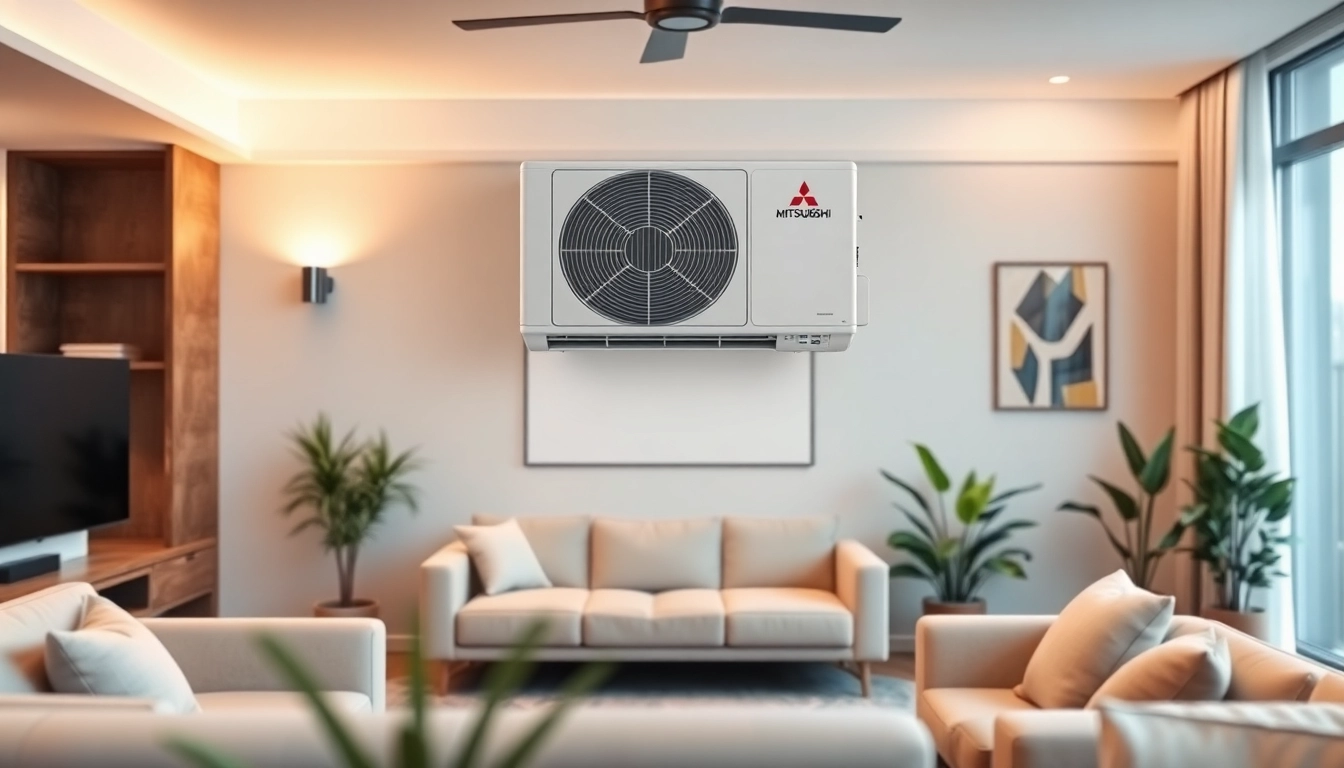
The mitsubishi mini split ac is a high-efficiency air conditioning system designed for both residential and commercial applications. Distinct from traditional HVAC systems, this model comprises two main components: an indoor unit that distributes cooled or heated air and an outdoor compressor unit that generates the desired changes in temperature. The elegant design and compact size of the indoor units make them incredibly versatile, allowing for easy installation in various settings without the need for extensive ductwork.
Key Components of the System
A standard mitsubishi mini split ac system consists of several key components which include:
- Indoor Units: These units circulate air within the space and come in various styles such as wall-mounted, ceiling-mounted, or floor-mounted options.
- Outdoor Unit: The outdoor compressor is responsible for the retrieval of heat from the environment and expelling it outside, acting as the system’s heart.
- Refrigerant Lines: These insulated lines connect the indoor and outdoor units, responsible for transporting refrigerant necessary for heat exchange.
- Thermostat: The control center for managing temperatures, allowing users to adjust settings for optimal comfort.
How It Works: An Overview
The operation of a mitsubishi mini split ac hinges on the principles of refrigeration. In cooling mode, the indoor unit draws heat from indoor air, passing it over coils filled with refrigerant, causing the refrigerant to evaporate and absorb heat. The now-warm refrigerant flows to the outdoor unit, where the compressor raises its temperature and pressure before it circulates through the condenser coils, releasing the absorbed heat into the outside air. This process cools the indoor space efficiently. In heating mode, the process is reversed, utilizing the heat pump technology to extract warmth from the outside environment and transfer it indoors.
Energy Efficiency and Cost Savings
Comparing Energy Ratings
Energy efficiency is a critical factor when considering any cooling or heating system. Mitsubishi mini split AC units are known for their high Energy Efficiency Ratio (EER) or Seasonal Energy Efficiency Ratio (SEER) ratings. These ratings measure the efficiency of the cooling process, with higher numbers indicating lower energy consumption for the same cooling output. Many models exceed a SEER of 20, surpassing typical central air conditioning systems significantly.
Long-Term Cost Benefits
While the upfront investment in a mitsubishi mini split ac might seem considerable, users often enjoy significant long-term savings. The excellent energy efficiency minimizes monthly utility bills, and because the unit does not require ductwork, there are no losses associated with energy transfer. Moreover, the lifespan of these systems can exceed 15 years with proper maintenance, making them a financially savvy investment for homeowners and business operators alike.
Tax Credits and Incentives
Purchasing a mitsubishi mini split ac may make consumers eligible for various tax credits and incentives at the federal and state levels, particularly for energy-efficient appliances. These financial benefits can help offset the initial purchase price, making it an attractive option for those looking to capitalize on energy efficiency savings.
Installation Considerations
Choosing the Right Location
Optimal placement of the indoor and outdoor units plays a key role in the operational efficiency of a mitsubishi mini split ac system. Indoor units should be strategically located to promote even airflow and prevent hot or cold spots in the living area. Outdoor units must be placed in an area with ample airflow and away from obstructions to ensure efficient heat exchange.
Professional vs. DIY Installation
While some homeowners may be skilled enough for a DIY installation, acquiring a professional installation is recommended for maximum efficiency and warranty protection. Experts can ensure precise refrigerant levels, electrical connections, and compliance with local building codes, which are crucial for optimal performance and reliability.
Common Installation Mistakes to Avoid
Several pitfalls can occur during the installation of a mitsubishi mini split ac system:
- Inadequate Sizing: Choosing a unit based on square footage alone can lead to under or oversizing, affecting comfort and efficiency.
- Incorrect Refrigerant Levels: Too much or too little refrigerant can lead to inefficiencies or system malfunctions.
- Poor Placement: Not positioning units to maximize airflow can significantly reduce the system’s efficiency.
Maintenance Tips for Optimal Performance
Routine Cleaning and Care
Maintaining a mitsubishi mini split ac system involves regular cleaning of filters, coils, and fan components. Filters should be checked monthly and cleaned or replaced as needed to ensure optimal air quality and efficiency. The outdoor unit should also be cleared of debris such as leaves and dirt, which can hinder performance.
Identifying Common Issues
Common issues that may arise include unusual noises, inconsistent temperatures, and leaks. Addressing these problems promptly can prevent further damage and prolong the lifespan of the unit. Regular inspections can also help identify potential issues before they escalate into costly repairs.
When to Call a Technician
If problems persist despite routine maintenance efforts, it may be time to call a technician. Signs that professional help is needed include persistent leakages, refrigerant problems, or continuous operation without temperature changes. A licensed technician can conduct a thorough inspection and provide necessary repairs or adjustments.
Frequently Asked Questions
What size mitsubishi mini split ac do I need?
The size of the unit needed depends on the square footage of the area to be cooled or heated. It’s essential to consult with a professional to determine the appropriate BTU capacity for optimal comfort.
How often should I service my mitsubishi mini split ac?
Generally, it is recommended to service your mitsubishi mini split ac system at least once a year. This can help maintain efficiency and prolong the lifespan of the unit.
Can a mitsubishi mini split ac work in extreme climates?
Yes, mitsubishi mini split ac systems are designed to operate efficiently in extreme conditions, with models available for both heating and cooling in various temperature ranges.
Is a mitsubishi mini split ac noisy during operation?
Most mitsubishi mini split ac models operate quietly, with indoor units producing noise levels comparable to a whisper, making them ideal for bedrooms and living spaces.
What’s the average lifespan of a mitsubishi mini split ac?
A well-maintained mitsubishi mini split ac can last 15 years or longer. Regular maintenance is key to achieving this lifespan.