Understanding Back Pain: Causes and Symptoms
Back pain is a prevalent condition that affects millions of people around the globe, significantly impacting their quality of life. Understanding the complexity of back pain is crucial to finding effective back pain solutions. This section delves into the common causes, symptoms, and how lifestyle choices play a significant role in back health.
Common Causes of Back Pain
Back pain can arise from various physical, mechanical, and medical factors. The most common causes include:
- Muscle or Ligament Strain: Lifting heavy items improperly or sudden awkward movements can lead to strains.
- Bulging or Ruptured Disks: Disks act as cushions between the vertebrae in your spine. If they bulge or rupture, they can press on nerves, causing pain.
- Arthritis: Conditions like osteoarthritis can lead to narrowing of the space around the spinal cord, resulting in pain.
- Structural Issues: Scoliosis, a curvature of the spine, can lead to back pain, especially in adults.
- Osteoporosis: This condition makes bones porous and brittle, making them more susceptible to fractures.
Identifying Symptoms
Symptoms of back pain can vary widely, with some experiencing mild discomfort while others may have debilitating pain. Common symptoms include:
- Dull, aching pain in the lower back.
- Sharp or piercing pain in the back that may radiate down the legs.
- Stiffness or tension in the back muscles.
- Loss of flexibility in the back.
- Numbness or tingling in the lower body.
The Impact of Lifestyle on Back Pain
Your lifestyle choices significantly influence back health. Factors such as poor posture, lack of exercise, obesity, and stress can exacerbate back pain. For instance, sitting for prolonged periods without breaks can contribute to muscle tension and spinal issues. Engaging in regular physical activity, maintaining a healthy weight, and practicing good posture can mitigate these risks.
Natural Back Pain Solutions: Home Remedies
Finding natural remedies for back pain can provide relief without the side effects of medication. In this section, we explore various home remedies that can serve as effective back pain solutions.
Stretching Exercises for Relief
Stretching exercises are fundamental in alleviating back pain by improving flexibility and reducing muscle tension. Key stretches include:
- Cat-Cow Stretch: This yoga move promotes flexibility and spinal alignment.
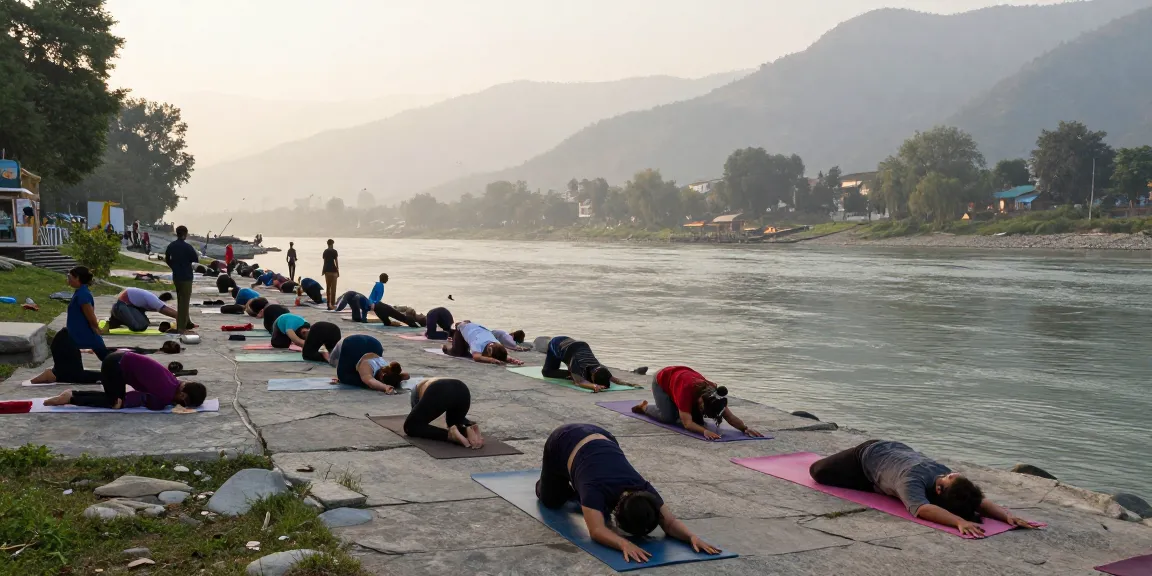
- Child’s Pose: A gentle stretch to open the hips and relieve tension in the lower back.
- Hamstring Stretch: Tight hamstrings can contribute to lower back pain, and stretching them can provide relief.
Heat and Cold Therapy Techniques
Applying heat or cold can significantly reduce back pain. Cold compresses can decrease inflammation and numb sharp pains, while heat therapy increases blood flow and relaxes tight muscles. Alternate between the two methods for optimal relief.
Herbal Remedies and Anti-Inflammatory Foods
Certain herbal remedies and dietary choices can fight inflammation and promote healing. Consider incorporating the following:
- Turmeric: Its active ingredient, curcumin, has potent anti-inflammatory properties.
- Ginger: Known for its anti-inflammatory effects, ginger can help reduce pain and swelling.
- Omega-3 Fatty Acids: Found in fish, flaxseeds, and walnuts, omega-3s combat inflammation.
Professional Treatments for Back Pain Solutions
When home remedies do not provide adequate relief, professional treatments may be necessary. This section discusses various approaches that can be explored as part of your back pain solutions.
Chiropractic Adjustments
Chiropractic care focuses on the diagnosis and treatment of musculoskeletal disorders. A licensed chiropractor may perform spinal adjustments to alleviate back pain and improve spinal alignment, often providing immediate relief.
Physical Therapy Approaches
A physical therapist can create a tailored exercise program designed to strengthen the back, improve flexibility, and reduce pain. Techniques may include manual therapy, exercises to improve posture, and modalities like ultrasound or electrical stimulation for pain relief.
Medical Procedures: When to Consider
In cases where non-invasive treatments fail to relieve back pain, medical procedures may be warranted. Options include:
- Injections: Corticosteroid injections can reduce inflammation in specific areas of the spine.
- Surgery: For conditions like herniated disks or severe spinal stenosis, surgical intervention might be the most effective solution.
Preventive Measures: Lifestyle Changes for Back Health
Prevention plays a crucial role in maintaining back health and avoiding future pain. This section identifies key lifestyle changes that can serve as long-term back pain solutions.
Importance of Posture
Maintaining good posture is essential in preventing back pain. Proper alignment during sitting, standing, and moving reduces stress on the spine. Mindfully maintaining a straight back while sitting and using ergonomic furniture can profoundly impact back health.
Ergonomic Workplace Solutions
An ergonomic workspace minimizes strain on your back. Adjust your chair height, use a supportive lumbar pillow, and position your computer screen at eye level to maintain an optimal posture while working. Regular breaks to stretch and walk can also mitigate discomfort.
Regular Exercise and Strength Training
Incorporating regular exercise into your routine strengthens back muscles, improving support for your spine. Activities such as walking, swimming, and cycling promote overall health. Strength training, focusing on core muscles, is particularly effective in preventing back injuries.
FAQs about Back Pain Solutions
What are the best home exercises for back pain?
The best home exercises include stretching routines, strengthening core muscles, and low-impact activities like walking or swimming. These help reduce pain and improve flexibility.
How can I improve my posture?
Improving posture involves being mindful of your alignment while sitting, standing, and moving. Utilize ergonomic furniture and regularly practice posture awareness to strengthen your muscles.
When should I see a doctor for back pain?
Consult a medical professional if your back pain lasts more than a few weeks, worsens, or is accompanied by symptoms like numbness, tingling, or difficulty standing.
Are there dietary changes that can help back pain?
Incorporating anti-inflammatory foods such as fruits, vegetables, nuts, and fish can alleviate back pain. Staying hydrated is also crucial for maintaining spinal health.
What is the role of sleep in back pain recovery?
Quality sleep is vital for recovery as it allows the body to heal. Ensure a supportive mattress and practice good sleep hygiene to reduce back pain during the night.