
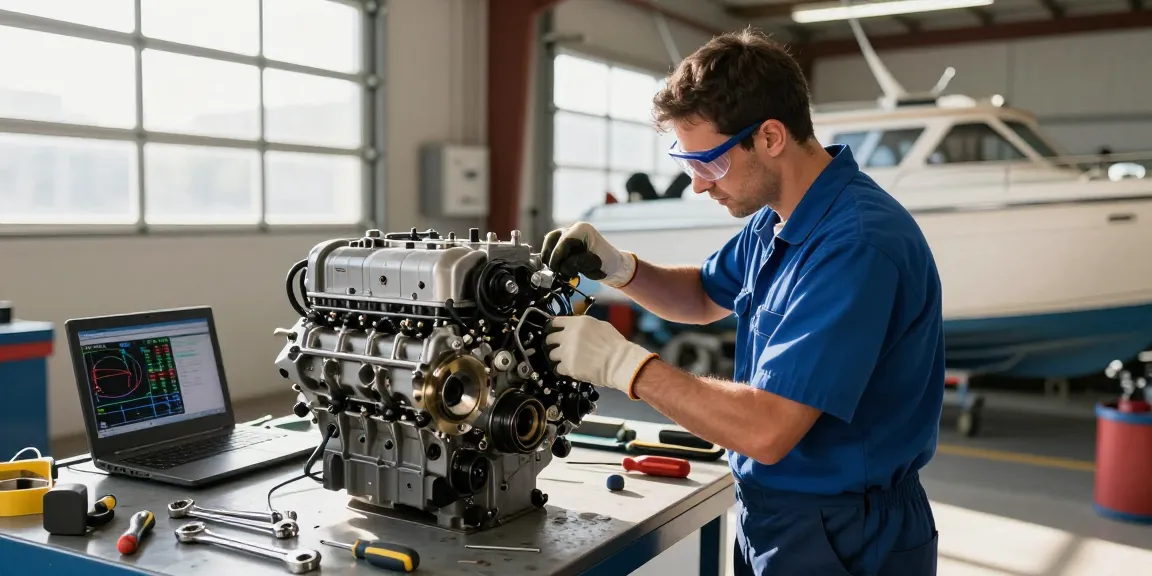
Understanding Diesel Marine Engines
Diesel marine engines are the powerhouse of the maritime industry, serving a crucial role in powering ships, fishing vessels, and recreational boats. Their efficiency and durability make them the preferred choice for both commercial and recreational purposes. When exploring options for diesel marine engine repair, understanding the fundamentals of these engines can significantly enhance the repair process and maintenance strategy.
What Makes Diesel Marine Engines Unique?
Diesel marine engines are distinguished by their ability to deliver high torque at low speeds, making them exceptionally reliable for heavy-duty applications. Unlike gasoline engines, they utilize diesel fuel, which is more energy-dense, resulting in improved fuel efficiency. This characteristic is particularly beneficial for long-haul voyages where fuel economy can significantly reduce operational costs.
Key Components of Diesel Marine Engines
Understanding the key components of diesel marine engines is critical for effective maintenance and repair. Key components include:
- Engine Block: The core structure housing the cylinders and the crankshaft.
- Pistons: These move up and down in the cylinders, converting fuel energy into mechanical energy.
- Fuel Injectors: Crucial for injecting diesel into the combustion chamber at precisely the right time for optimal combustion.
- Turbocharger: Enhances engine efficiency by forcing more air into the combustion chamber, allowing for burning more fuel.
- Cooling System: Maintains optimal engine temperature through water cooling, preventing overheating.
Common Issues Faced in Diesel Marine Engines
Even with their durability, diesel marine engines face several common issues, including:
- Overheating: Often caused by cooling system failures or blockages.
- Fuel Contamination: Water or debris in the fuel can lead to injector malfunctions.
- Electrical Failures: Problems can arise from faulty wiring or corroded connections.
Essential Tools for Diesel Marine Engine Repair
Effective diesel marine engine repair requires a variety of specialized tools. These tools not only enhance repair efficiency but also ensure that the work is conducted safely and accurately.
Must-Have Tools for Every Marine Mechanic
Every marine mechanic should have the following tools readily available:
- Wrenches and Sockets: Essential for loosening and tightening bolts on engine components.
- Diagnostic Scanners: Tools that read engine codes to help identify issues quickly.
- Torque Wrench: Ensures that bolts are tightened to precise specifications, crucial for engine integrity.
- Pump Testers: Used for diagnosing fuel delivery issues by testing fuel pump pressures.
Digital Tools and Software for Diagnostics
The integration of technology has revolutionized diesel marine engine diagnostics. Digital tools such as software that can interface with the engine’s onboard computer offer mechanics the ability to analyze performance data, monitor engine health, and predict failures before they occur, thus streamlining the repair process.
Safety Equipment and Best Practices
Safety should be a top priority when performing repairs. Key safety equipment includes:
- Safety Goggles: Protect against debris and chemicals.
- Gloves: Necessary for handling chemicals and sharp equipment.
- Fire Extinguishers: Should be on hand in case of fuel-related fires.
Common Diesel Marine Engine Repairs
Understanding common repairs can help boat owners be proactive in maintaining their diesel engines.
How to Address Engine Overheating Problems
Engine overheating can lead to catastrophic failures. The first step in addressing this issue is to check the coolant levels and the condition of hoses. If levels are adequate, mechanics should inspect the water pump and thermostat functionality. Regular flushes of the cooling system can prevent the build-up of debris that leads to overheating.
Troubleshooting Fuel Injection Issues
Fuel injection problems are often characterized by poor engine performance or stalling. Mechanics should start by examining the fuel filters for clogs and testing the pressure at the injectors. Cleaning or replacing injectors is essential when they become fouled.
Repairing Electrical System Failures
Electrical problems are common in diesel marine engines and can manifest as starting issues or erratic engine behavior. Mechanics should inspect batteries, wiring harnesses, and fuses. A multi-meter can be used to diagnose electrical connections and ensure they are functioning correctly.
Best Practices for Preventative Maintenance
Implementing a robust maintenance plan can extend the life of diesel marine engines and prevent major repairs.
Routine Checks to Ensure Engine Longevity
Routine checks should include monitoring oil levels, checking fuel filters, and inspecting belts and hoses for signs of wear. A regular schedule of maintenance helps catch minor issues before they escalate.
Effective Cleaning Techniques for Diesel Engines
Cleaning a diesel marine engine periodically is essential for maintaining its performance. Mechanics should focus on removing soot deposits from the combustion chamber and cleaning the external surfaces to prevent corrosion.
Seasonal Maintenance Tips for Boat Owners
Seasonal maintenance can save boat owners from larger issues in the long run. Before laying up a boat for winter, it’s wise to replace old fuel, check battery charges, and cover all exposed areas to protect against the elements.
Future Trends in Diesel Marine Engine Technology
The maritime industry is evolving with advancements in diesel engine technology, leading to a more efficient and sustainable future.
Innovations in Fuel Efficiency for Diesel Engines
Innovative technologies such as variable geometry turbochargers and common-rail fuel injection systems have significantly improved the fuel efficiency of diesel marine engines. These advancements lead to lower operational costs and reduced environmental impact.
The Rise of Hybrid and Electric Marine Engines
As sustainability becomes increasingly important, hybrid and electric marine engines are on the rise. These technologies offer alternative power solutions that reduce reliance on fossil fuels, making them attractive options for the future of marine transportation.
Regulatory Changes Impacting Diesel Marine Engines in 2026
Upcoming regulatory changes in 2026 will likely focus on emissions standards, pushing for cleaner technologies. Boat manufacturers and owners will need to adapt their engines to comply with these new regulations to avoid penalties and ensure operational efficiency.
What are the benefits of regular diesel marine engine maintenance?
Regular maintenance ensures that engines run efficiently, reduces the likelihood of unexpected breakdowns, and prolongs the lifespan of the engine components. Consequently, this leads to cost savings in both repair and fuel consumption.
How can I diagnose issues in my diesel marine engine?
Diagnosis starts with observing performance symptoms. Tools such as diagnostic scanners can help identify issues, while physical inspections of fuel lines, electrical components, and engine fluids can reveal underlying problems.
What tools are essential for diesel marine engine repair?
Essential tools include wrenches, diagnostic tools, torque wrenches, and cleaning supplies. Proper tools help ensure that repairs are executed efficiently and safely.
What are the common signs of diesel engine failure?
Common signs include unusual noises, decreased power, excessive smoke, and warning lights on the dashboard. Early detection of these symptoms can prevent further damage.
How can technology help in marine engine repairs?
Technology enhances diagnostic capabilities, improves repair accuracy, and allows for better tracking of engine performance, leading to more efficient repair practices and longer-lasting engines.